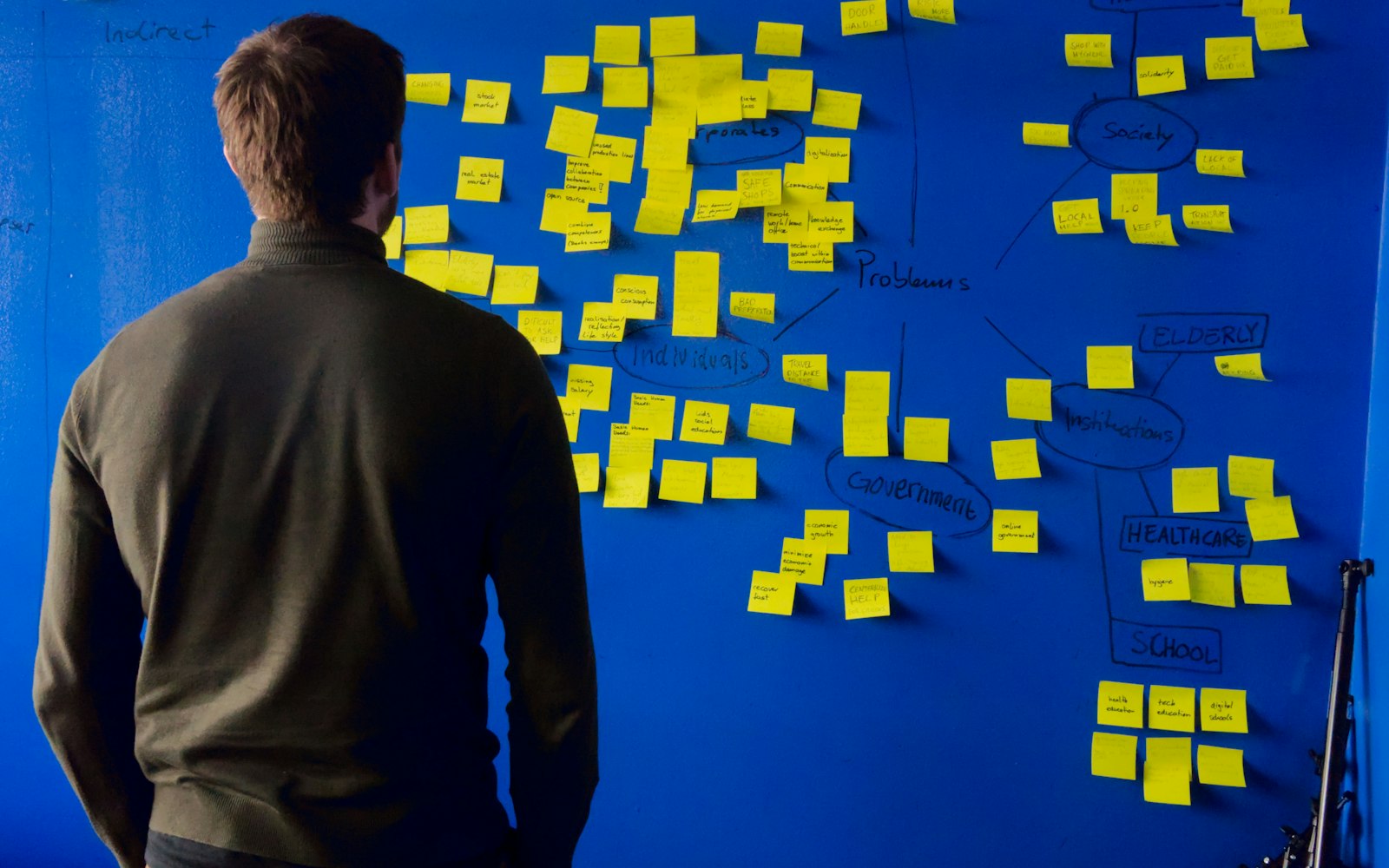
The most expensive D2C mistake happens before the logo, the licence or the first batch: building something nobody urgently needs. Founders fall in love with a solution (“a premium, eco-friendly, AI-designed toothbrush”) and assume the problem exists. Then the ads don’t convert and nobody knows why.
Signs you might be solving a non-problem
- You describe your product by its features, not by the pain it removes
- Friends say “nice idea” but nobody asks “where can I buy it?”
- You can’t find people already spending money or effort on a workaround
- You’re the only person you know with this problem
A 30-day validation plan
Week 1: Talk to 20 potential customers
Don’t pitch. Ask about their life: “Tell me about the last time you dealt with [problem]. What did you try? What did it cost? What was annoying?” Look for strong emotion and existing spending. If people aren’t already trying to solve it, they probably won’t pay you to.
Week 2: Read the market’s signals
- Search demand: use keyword tools and Google Trends to see if people search for the problem or the category.
- Marketplace reviews: read the 1- to 3-star reviews of top products in the category. Recurring complaints are gaps you could fill.
- Communities: Reddit, Instagram comments, Facebook and WhatsApp groups where your customer asks for recommendations.
Week 3: Run a smoke test
Build a simple landing page with the promise, a mock-up or sample photos, a price and a “join the waitlist” or “pre-order” button. Spend a small, fixed ad budget. Measure click-through rate and sign-up rate. Compare two or three different promises to see which one people respond to.
Week 4: Ask for money
Emails are cheap; payments are proof. Offer a limited pre-order or a paid sample batch. If even people who said they loved the idea won’t pre-pay a small amount, listen to that.
What “validated” looks like
- People describe the problem in strong words without prompting
- Your landing page converts meaningfully better than a random ad
- A real share of waitlist sign-ups pre-order or pay for samples
- You can name the exact customer and the exact moment they need you
If the idea fails validation
That’s a win: you saved the cost of stock, licences and months of work. Often the conversations reveal a different problem that people care about more. Many successful brands are the second idea, not the first.
Want an honest check on your idea? Zobo runs idea validation, competitor teardowns and smoke tests before you invest in manufacturing. Book a free call.
Leave a Reply